
Shanghai's Springtime Secrets Hidden in the Blossoms of These Four Streets
Date Published
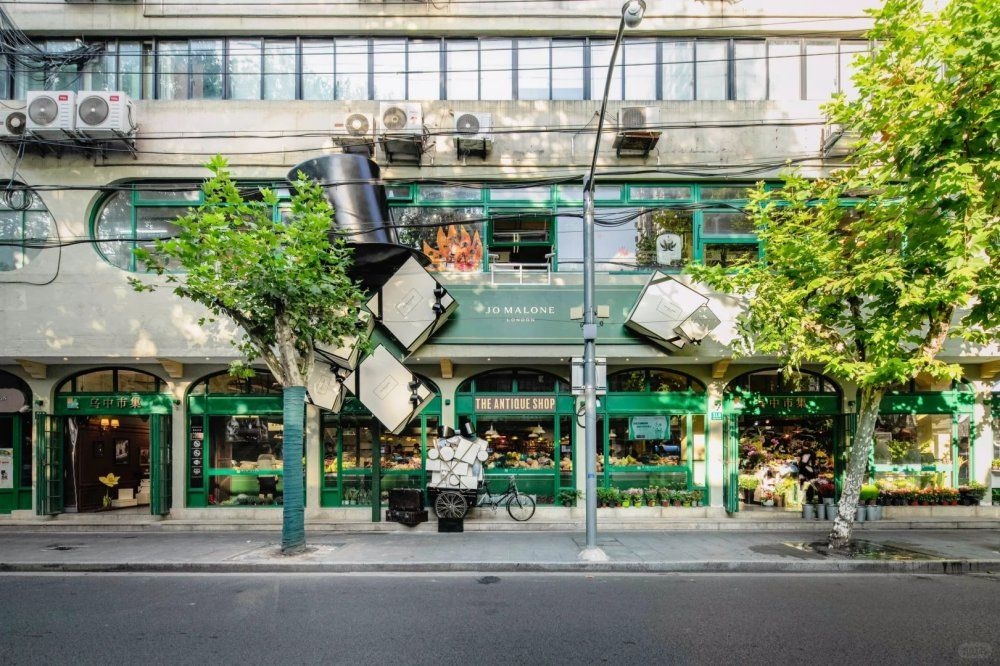
Spring is Shanghai’s most beautiful season. In April and May, the weather is pleasantly warm—perfect for enjoying the latest spring styles. Just like nature waking from winter’s slumber, blossoms burst into full bloom, transforming the city into a vibrant sea of colors.
This season is so delightful that even the air is sweet and gentle. The historically rich buildings seem to shed their seriousness and rigidity, becoming more relaxed and lazy.
As a visitor, if you come to Shanghai during this time, you should definitely grab a cup of coffee or a special drink and stroll down these four streets with the leisurely pace of a well-fed cat. This is the best way to experience the most beautiful moments of Shanghai.
1. Nanchang Road 南昌路
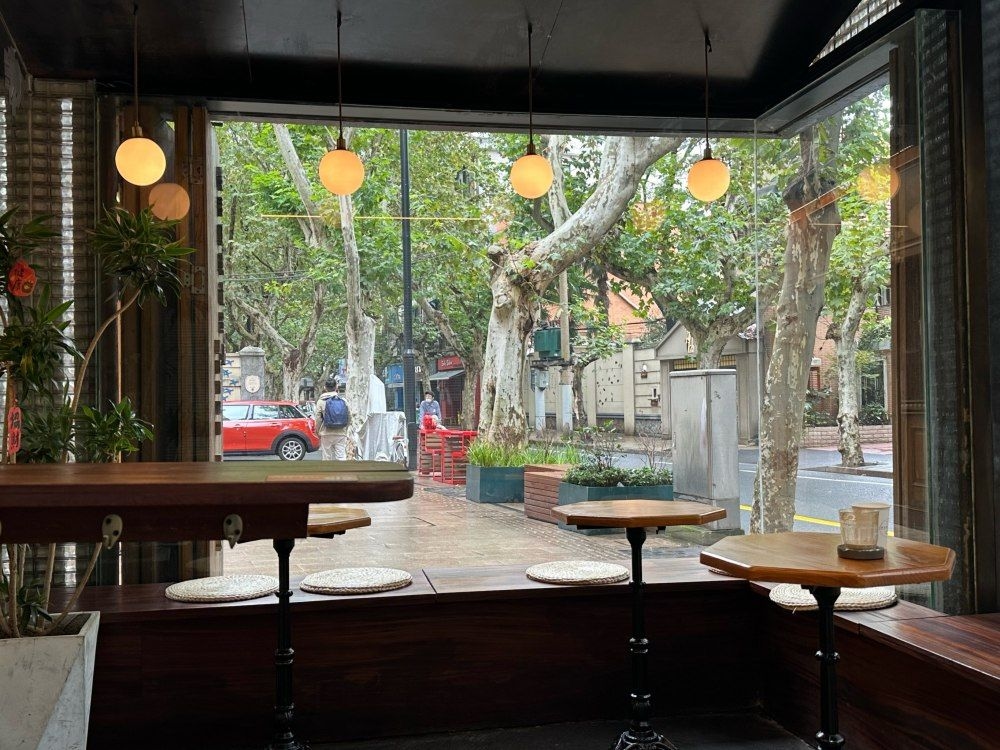
♥️ Why We Recommend It:
This street, less than two kilometers long with a history spanning over 100 years, is one of Shanghai's roads that will never be widened. It is also one of the places with the most intense artistic atmosphere in the city.
In the early 20th century, many great artists and literary giants lived here. The famous poet Rabindranath Tagore once stayed at No. 11, Lane 136, along with Chinese literary figure Xu Zhimo and his wife. Right next door was the home of the renowned translator Fu Lei. The residence of Lin Fengmian, a pioneer of modern Chinese art, still serves as an art exhibition space today. Even the site where the Chinese Communist Party was founded is located here. The numerous former residences of famous figures from the last century give this street a discreet yet exquisite charm. The brick walls, courtyards, carvings, and Ionic columns imbue the street with a rich artistic atmosphere that has not faded with the departure of the great masters.
Today, this short street is lined with dozens of teahouses, coffee shops, and bars. Start your exploration from the eastern end of Nanchang Road and slowly make your way west, not missing any interesting little shops along the way. Each one is full of unique character. There is a small restaurant that earned a Michelin recommendation with just a bowl of sesame noodles, and the coffee from Metal Hands, which is among Asia's top 50 coffee shops. As you sit down and enjoy a special drink or a hand-brewed coffee, imagine what those great artists who created timeless masterpieces were discussing in the springtime 100 years ago—were they talking about the stars and wine of last night, or the evening breeze and flowers of tomorrow?
Recommended Tour: On an afternoon of the "A Glimpse of a Century" tour, after visiting Zhang Garden, you can also take a stroll here.
2. Urumqi Middle Road 乌鲁木齐中路
♥️ Why We Recommend It:
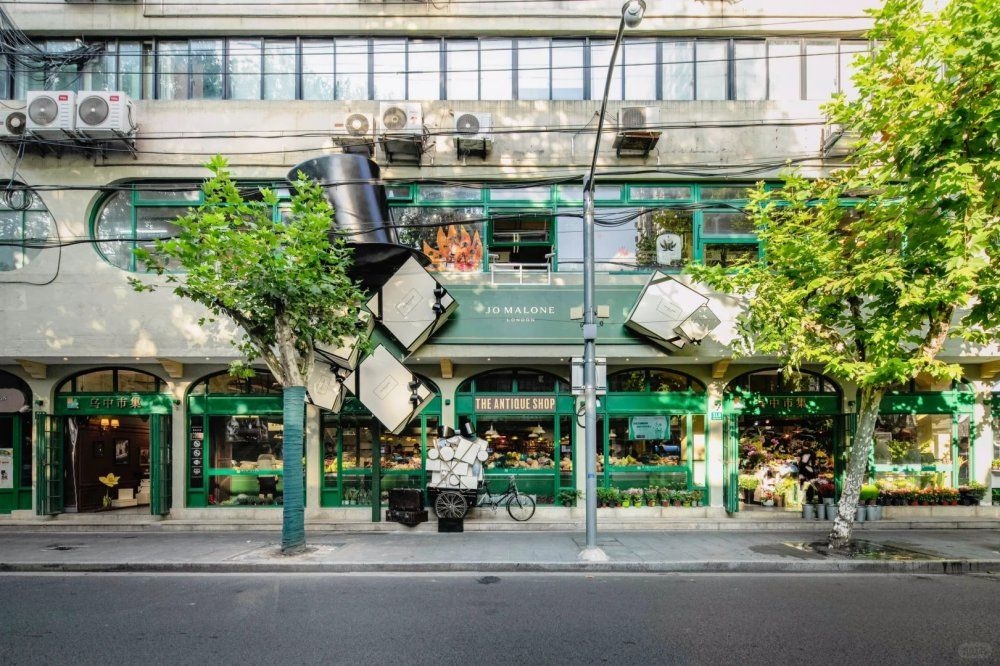
As one of the most representative small streets in Shanghai's Hengfu (Hengshan-Fuxing) Historical and Cultural Area, Urumqi Middle Road weaves multiple springtime narratives within its less than one-kilometer length. This street carries the everyday life of old Shanghai while radiating the creative energy of the younger community, making it a poetic example of urban renewal.
No. 318 Urumqi Middle Road is a vegetable market, but it's not just any market—it's a benchmark for the "Vegetable Market Renaissance." The retro design with light yellow walls and dark green windows overturns the traditional image of a market. In spring, the first floor is filled with seasonal fresh vegetables—Indian aster, Shanghai Alfalfa Sprouts (a tender seasonal green from Jiangnan cuisine, known for its delicate aroma and soft texture, often stir-fried or paired with local delicacies), spring bamboo shoots, and cherry blossom-themed bouquets. The second floor houses the Chaimiduo Farm Restaurant, where dishes like shepherd's purse(a type of wild green) wontons paired with Yunnan apple cider create a "spring feast on the tongue."
The concept space of the designer brand "UOOYAA" (No. 247-3 Urumqi Middle Road) reconstructs the commercial experience with the architectural concept of "metabolism." In spring, the shop windows often feature plant installations paired with deconstructivist clothing.
The art space under ZUGZUG (No. 234 Urumqi Middle Road) changes its theme exhibition monthly, often activating the street's imagination in spring with giant tomato installations or hand-sewn picture frames.
Even the public restroom here is beautiful—the Wuzhong Station (at the intersection of Urumqi Middle Road and Wuyuan Road), awarded the title of "Shanghai's Most Beautiful Public Toilet," has wisteria climbing its exterior walls in spring. The second-floor sanitation worker rest area is equipped with a microwave and a direct drinking water dispenser, allowing the city's guardians to feel the warmth of spring during their breaks.
The spring on Urumqi Middle Road is the smile lines at the corner of the vegetable market granny's eyes as she hands you a bunch of Chinese toon, the light spots reflected on the edge of a coffee cup from the gallery window, and the shared city breath of old and new Shanghai residents under the plane tree fluff rain. This street proves with its one-kilometer length that true urban renewal is never about tearing down and starting over, but about allowing the imprints of every era to grow freely in the spring light.
Recommended Tour: On a morning of the "The Flavors of Shanghai" tour, after strolling along Wukang Road and Anfu Road, you might want to come here for a visit.
2. Wuyi Road 武夷路
️♥️ Why We Recommend It:
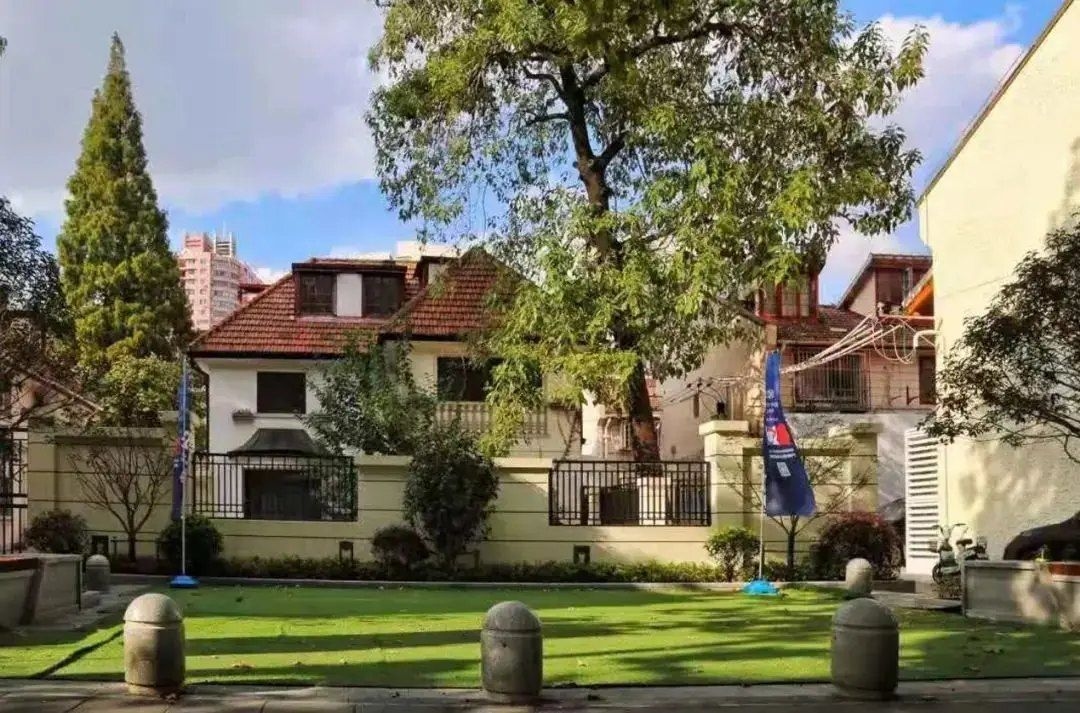
As one of Shanghai's 64 roads that will never be widened, Wuyi Road weaves a cityscape where tranquility and vitality coexist, thanks to nearly a century of historical accumulation and pioneering urban renewal practices. This 1.7-kilometer-long street carries the memories of old Shanghai's garden villas while nurturing the future vision of an international cultural and creative district.
The Spanish-style terraced villas, once home to shipping magnate Sir Yue-Kong Pao, create an elegant spring scene with their red-tiled roofs and lush courtyards.
The former Feilo Acoustics factory has now transformed into "Feiyue Lane," where old villas, lawns, and rooftop gardens lead you into an artistic space.
The 1930s tobacco company site, blending Gothic pointed arch windows with Chinese courtyards, now serves as a cultural exhibition space.
A complex district transformed from an old vegetable market retains its local charm while introducing unique spots like the camping-themed restaurant Morning Lab and the vinyl-themed bar "Wu Palace 武宫." Numerous delightful little shops await your exploration.
Zwilling and Staub's new exhibition runs until May 20, featuring a flower waterfall cascading from a pumpkin pot.
There are many more places to discover—restaurants, bars, cafes, dessert shops—all worth your visit.
Indeed, Wuyi Road may not have a lot of history or many famous figures, but for a long time, Shanghai residents have written its most beautiful postcard with the warmth of everyday life and the beauty of flowers.
4. Yongjia Road 永嘉路
️♥️ Why We Recommend It:
At just 1.3 kilometers long, Yongjia Road connects a century of history, Shanghai-style architecture, and the vibrant life of the city. This street, spanning both Huangpu and Xuhui districts, is a microcosm of Shanghai's urbanization and a living testament to the fusion of Eastern and Western cultures.
Yongjia Road was established in 1920 and was originally named "Route Say Zoong" in memory of a French postal company employee who died in World War I. After the concession was reclaimed, it was renamed Yongjia Road.
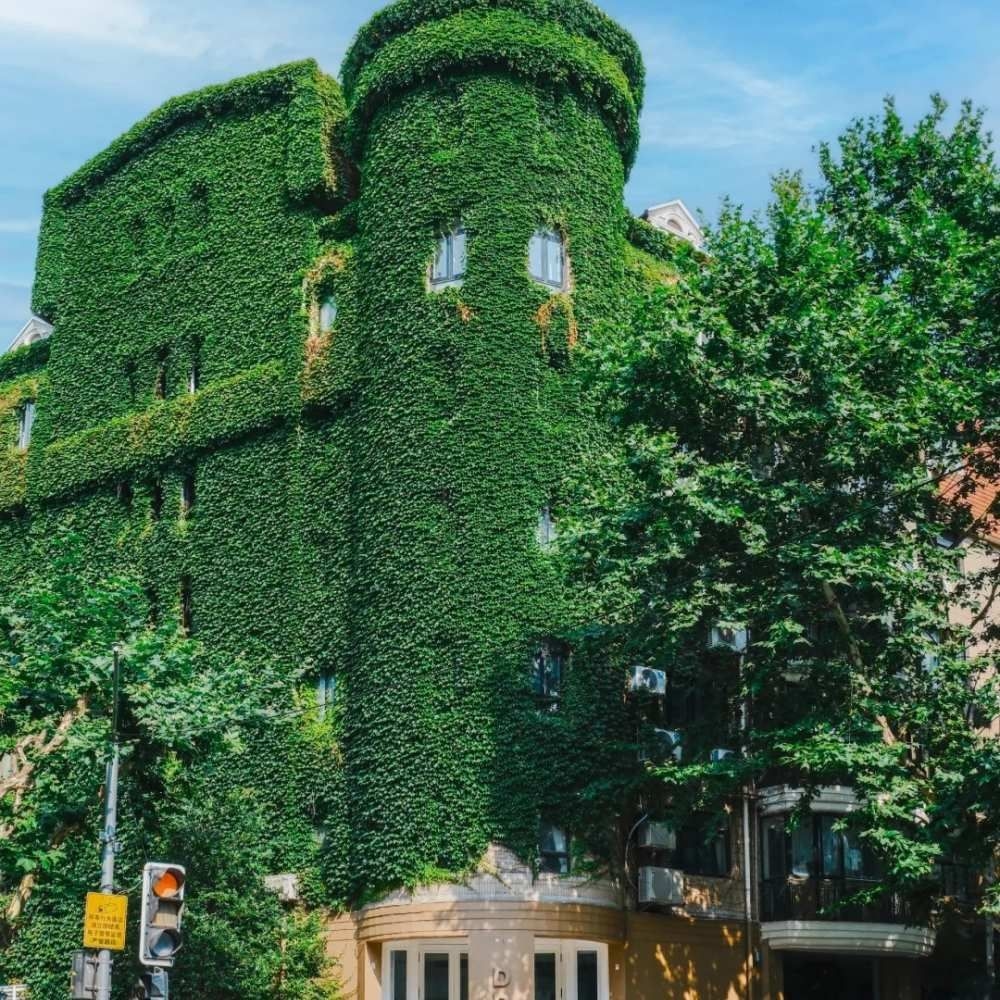
Known as a "residential architecture museum," it features a variety of styles, including Spanish, German castle, and modern lane houses.
Here, you will find the Shanghai Culture Square, which frequently hosts musicals, dances, dramas, and various cultural activities. Tickets can be purchased online or on-site.
For a delightful treat, visit BLEUSKA, an American-style handmade ice cream shop known for its vibrant and delicious offerings.
Additionally, the 2021 Gold Award-winning project by the Asian Architects Association, the "Pocket Park," transforms a historic district into a community social space.
The treasures on Yongjia Road are far more than you can imagine, and you may find yourself spending much more time here than you initially planned.